At present, a new round of technological revolution and industrial transformation is accelerating. Intelligent technologies such as artificial intelligence and the Internet of Things are rapidly converging, driving global manufacturing toward digitalization, networking, and intelligence. Robots—often called the “crown jewel of manufacturing”—have evolved from traditional automation equipment into intelligent entities with perception, decision-making, and execution capabilities. They have become a key engine for reshaping productivity and cultivating new growth drivers. Their applications now extend from industrial manufacturing to healthcare, services, and everyday life, deeply integrating into economic and social development and emerging as a strategic field for countries seeking future competitiveness.
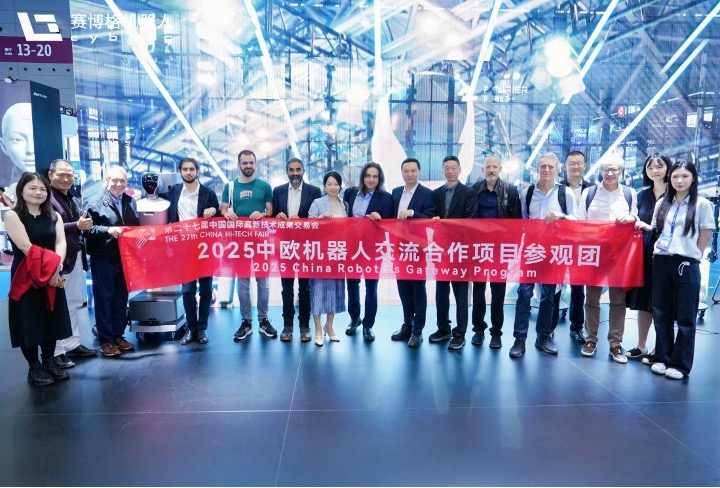
Against this backdrop, the Investment Promotion Agency of China’s Ministry of Commerce, together with GlobalTechIP and with support from multiple local governments, jointly launched the “China–Europe Robotics Industry Cooperation and Matchmaking Series.” The initiative aims to pragmatically promote complementary strengths, resource sharing, and ecosystem synergy between China and Europe, helping both sides achieve win-win development in the wave of intelligent transformation.
“Everything you need for robotics can be found here!”—this remark from a European robotics company representative has become the most vivid footnote to the recent series of China–Europe industry matchmaking events.
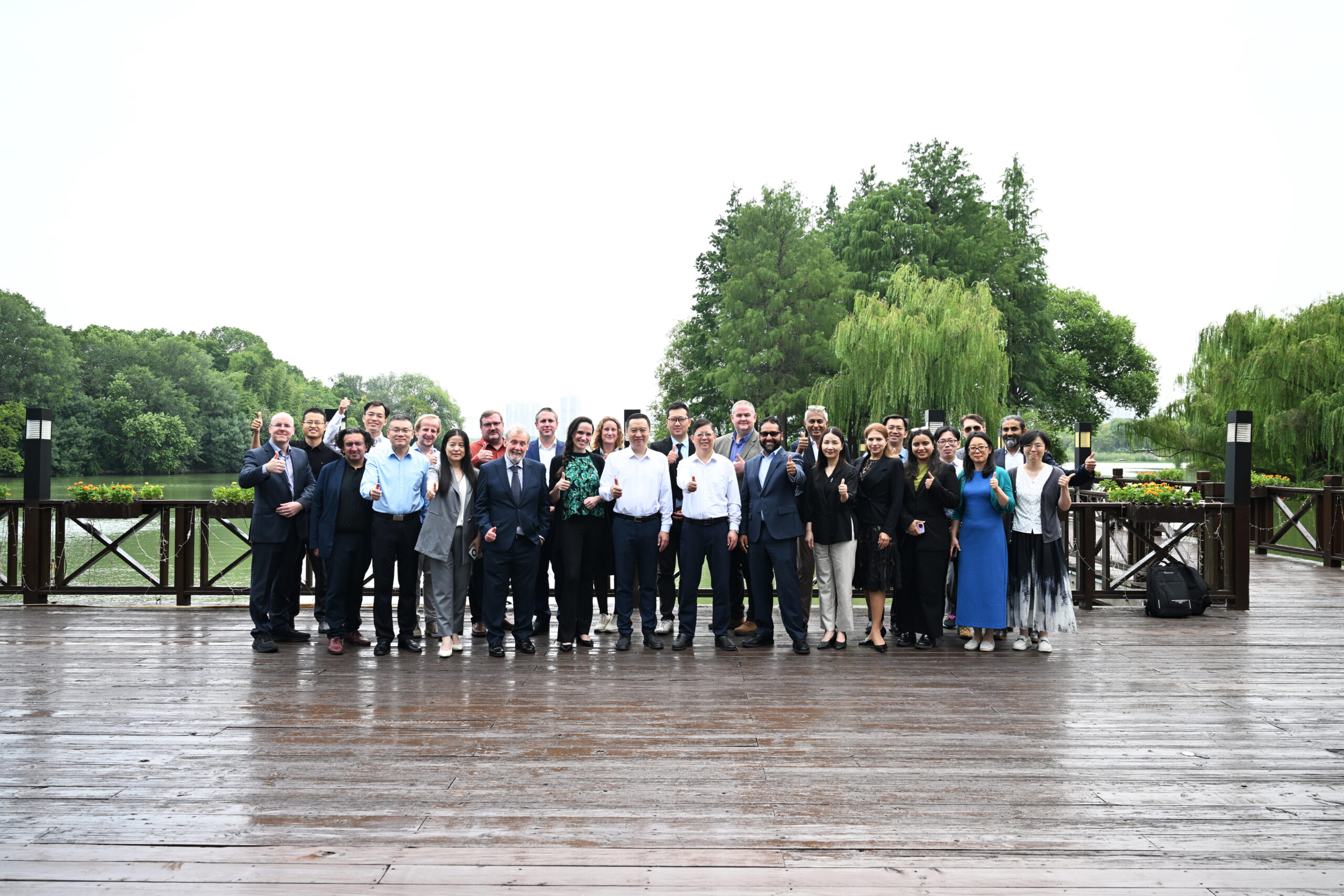
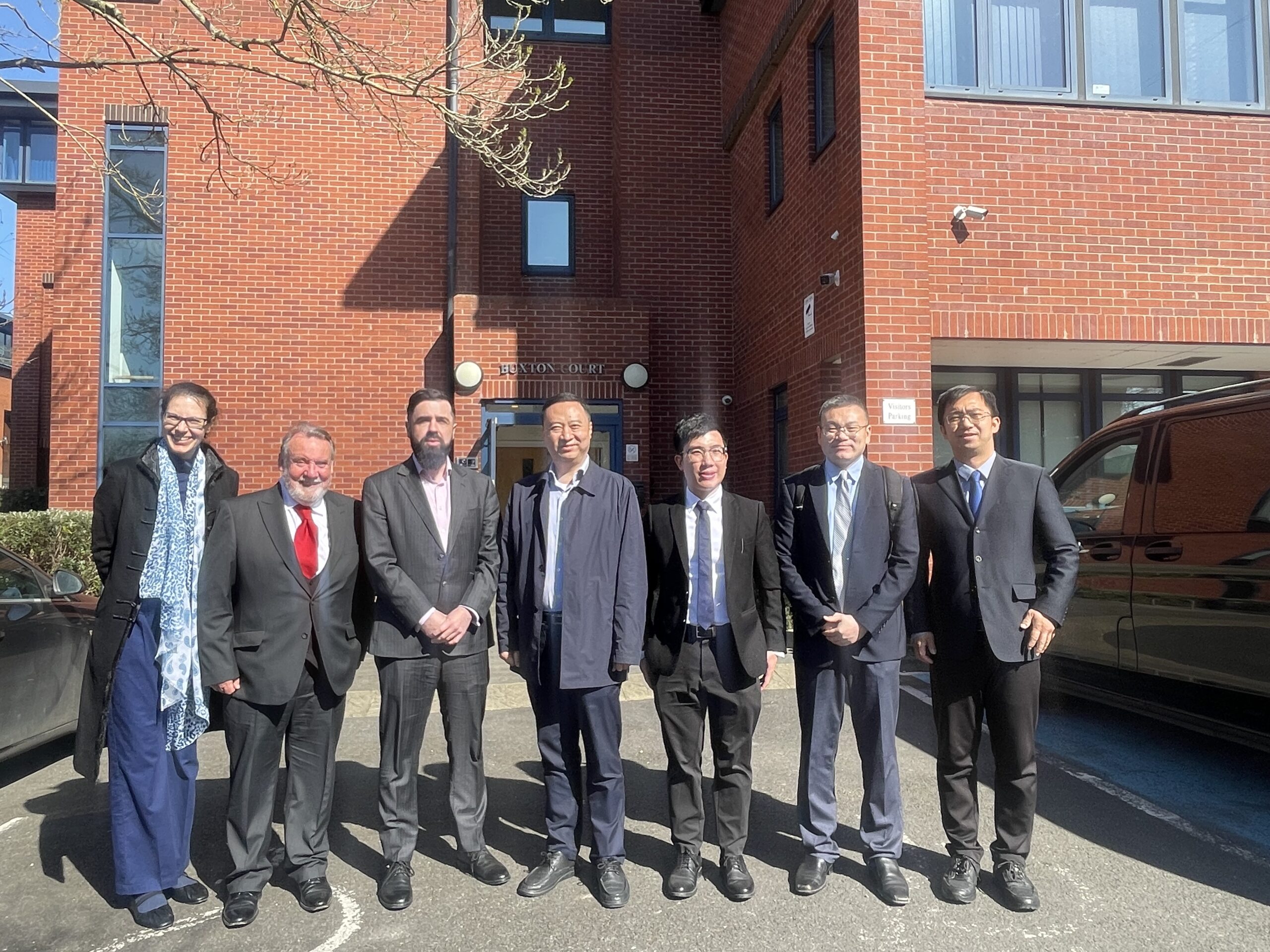
Over the past few weeks, intensive China–Europe industrial dialogues unfolded across several of China’s key innovation cities. From the innovation frontier of Shenzhen to the intelligent manufacturing hubs of Nanjing and Jiaxing, GlobalTechIP joined forces with dozens of robotics companies, institutions, and industry-chain partners from Spain and other European countries. Participants ranged from leading scientists, authoritative research institutions, and innovative tech companies to solution integrators, channel partners, professional buyers, and end users, engaging in deep alignment with local Chinese innovation ecosystems.
First Stop: Shenzhen | Exploring an Intelligent Future at the Innovation Frontier
On November 17, 2025, the 2025 China–Europe Robotics Industry Cooperation Matchmaking Conference, themed “China–Europe Synergy, Co-Creating the Future,” was successfully held in Shenzhen. The event was jointly organized by the Investment Promotion Agency of the Ministry of Commerce, the Shenzhen Investment Promotion Bureau, and the People’s Government of Bao’an District, with GlobalTechIP as co-organizer. More than 200 enterprises, research institutions, and investment organizations from across the China–Europe robotics value chain gathered. Through keynote speeches, thematic discussions, project roadshows, and targeted matchmaking, participants engaged in in-depth exchanges on technology, capital, and application scenarios.
The conference not only facilitated a number of concrete cooperation intentions but also highlighted Shenzhen’s leading role as an innovation hub and open gateway for the robotics industry. It further strengthened mutual trust and collaboration between China and Europe—especially in the field of embodied intelligence—while building a sustainable matchmaking platform and fostering a new ecosystem of complementary strengths and mutual benefit.
Second Stop: Nanjing | Linking Academic Research with Industrial Application
From November 18 to 19, the delegation visited Nanjing, a city renowned for science and education. Tang Song, Deputy Director of the Investment Promotion Agency of the Ministry of Commerce, and Jiang Min, Vice Mayor of Nanjing, attended and delivered speeches. Nanjing Economic and Technological Development Zone presented its high-quality industrial investment environment.
More than ten robotics projects from the UK, Spain, Finland, and other countries conducted roadshows, attracting experts from Southeast University and Nanjing University of Posts and Telecommunications, as well as leading local companies such as ESTUN, E-JIAHE, and Panda Electronics. During the visit, the European delegation also toured companies including Zhijia Dalu and Xiazhi Technology, experiencing firsthand Nanjing’s innovation strengths in intelligent driving and commercial cleaning robots. The dialogue showcased Nanjing’s strong industry–academia–research foundation and revealed abundant scenarios for European technologies to land in the Chinese market.
Third Stop: Jiaxing | Focusing on Results in an Open Innovation Hub
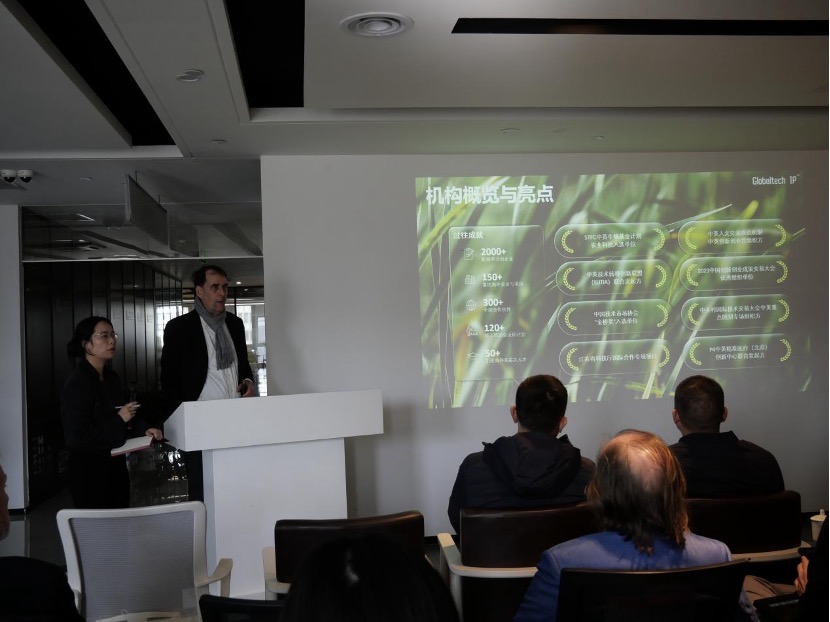
On November 20, the matchmaking journey reached Jiaxing, a key hub in the Yangtze River Delta. The event focused on technological breakthroughs and commercialization of embodied intelligent robots, enabling more vertical and practical engagement. Leaders from Jiaxing City and its Economic Development Zone attended.
Foreign-invested enterprises already operating in Jiaxing, such as Fersa Bearings and Liangxike Electric, along with representatives from the Zhejiang Tsinghua Institute of Flexible Electronics Technology, shared their experiences of growing alongside the city. European companies then conducted successive roadshows and held efficient negotiations with Chinese partners on technology transfer and market co-development, highlighting Jiaxing’s unique appeal as a base for transforming international innovation
Conclusion: Ecosystem Alignment, Shared Success Ahead
From the innovation engine of the Guangdong–Hong Kong–Macao Greater Bay Area to the intelligent manufacturing heartland of the Yangtze River Delta, this series of visits sketched a vibrant panorama of China’s robotics industry ecosystem. For European companies, it offered a window into China’s market and supply chains; for Chinese partners, it created opportunities to connect with global innovation resources and expand cooperation networks.
True collaboration begins with seeing and succeeds through connection. When technology meets scenarios and innovation meets markets, this China–Europe “two-way sprint” in robotics is writing a vivid chapter for global collaboration in the intelligent era.